
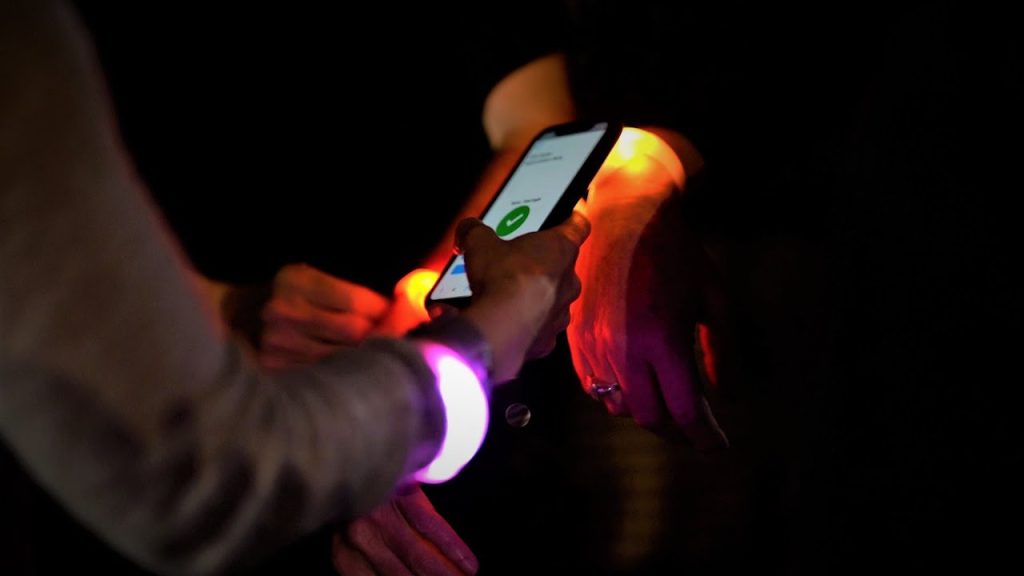
LED wristbands are making waves in entertainment, fitness, and even safety. These wearable tech accessories use compact LED lights to create vibrant visual displays that are energy-efficient, customizable, and interactive. But what makes LED wristbands so special? How do they work, and how are they changing the way we engage with technology? Let’s dive into the tech behind LED wristbands and explore how they’re revolutionizing the wearable tech space.
What Are LED Wristbands?
At first glance, LED wristbands might seem like just a fun accessory. However, they’re much more than that. These devices integrate tiny, powerful LED lights into wristbands that can be programmed to display a wide range of colors, patterns, and effects. The result is a customizable, interactive wearable that can enhance live events, track fitness, or even improve safety in large crowds. What sets them apart from other wearables is their ability to sync with various technologies to deliver a dynamic user experience.
How Do LED Wristbands Work?
LED wristbands operate on a few simple but effective principles: light emission, connectivity, and interactivity.
- LED Lights & Power Efficiency
The heart of these wristbands lies in the LED lights themselves. LEDs are well-known for their energy efficiency compared to traditional bulbs. They consume much less power, produce less heat, and last much longer. This makes them ideal for wearable tech, where space and battery life are crucial. The small size of the LEDs allows for a lightweight, unobtrusive wristband, while still providing vibrant light displays. - Power Source & Charging
Most LED wristbands are powered by rechargeable batteries, often lithium-ion, which are small enough to fit within the band. Depending on the brightness settings and usage, these wristbands can last for several hours on a single charge. The technology behind these batteries continues to improve, offering longer life and quicker charging, ensuring the wristbands remain functional during events or throughout a day’s activities. Some models even feature wireless charging capabilities or a solar charging option for added convenience. - Wireless Connectivity
One of the key aspects of modern LED wristbands is their ability to connect to other devices. Bluetooth technology is commonly used to enable this interaction. This allows the wristband to sync with a smartphone, event management system, or other wearables to trigger color changes based on specific actions. For example, at a concert, the wristbands can light up in sync with the beat of the music or change colors depending on the artist’s performance. In fitness settings, wristbands can sync with apps to track steps, calories burned, or even heart rate, and notify the user with a color change when a goal is reached. - Sensors for Tracking and Interactivity
Many LED wristbands now come with built-in sensors like accelerometers, gyroscopes, or heart rate monitors. These sensors provide real-time data that can be used to modify the wristband’s LED display. For example, if you’re working out and your heart rate exceeds a certain threshold, the wristband may turn red as a reminder to slow down. Similarly, wristbands used at music festivals may have motion sensors that trigger a light pattern when you clap your hands or dance, making the experience even more interactive. - Customizability
One of the most exciting features of LED wristbands is their ability to be customized. Whether it’s through mobile apps or event-specific systems, users can adjust the color, brightness, and light pattern of the wristband. Event organizers, for example, can program all wristbands in the crowd to display coordinated light shows, creating a mesmerizing visual effect that aligns with the music. Personal users can tweak the settings based on their mood, fitness goals, or even fashion preferences.
Real-World Applications of LED Wristbands
- Entertainment & Live Events
LED wristbands have gained massive popularity in live music concerts, sporting events, and festivals. Companies like Kanon and Xylobands have made these wristbands iconic, with their ability to light up in unison with music and performances. For instance, at concerts, the entire audience can be synchronized to glow with the beat, creating a dynamic visual effect that adds to the excitement of the performance. This immersive experience has proven to enhance fan engagement and create unforgettable moments. - Fitness & Health Tracking
In fitness, LED wristbands provide a fun yet practical way to track progress. Some models can change color to signal different milestones or provide feedback, like turning green when you hit your step count goal or flashing red if you need to take a break. These visual cues can help motivate users and keep them on track with their fitness journey. Advanced models may also integrate with health apps, allowing users to monitor their vitals, sleep patterns, or calories burned. - Safety & Crowd Management
Beyond entertainment and fitness, LED wristbands are also useful in enhancing safety. At crowded events, wristbands can be assigned specific colors to identify staff, VIPs, or attendees in need of assistance. Some wristbands are even designed to send a signal to security or emergency teams, making them a valuable tool for large-scale event management and crowd control. This can be especially important in outdoor festivals or concerts, where monitoring the crowd’s safety is a top priority.
The Future of LED Wristbands: What’s Next?
The future of LED wristbands is exciting and full of potential. As technology continues to evolve, we can expect to see these devices become even more integrated with other cutting-edge technologies.
- Augmented Reality (AR) Integration
Imagine an LED wristband that syncs with augmented reality apps, projecting virtual elements onto your environment based on your movement or location. Such integration could lead to entirely new experiences at events or in interactive gaming. - Smarter Sensors & More Personalization
With the rise of the Internet of Things (IoT), future LED wristbands may incorporate even more sophisticated sensors that can track a broader range of activities and health metrics. These sensors could provide more personalized feedback, allowing for even more customized light displays that respond to your body and environment in real-time. - Fashion Meets Function
As wearable tech continues to gain popularity, LED wristbands may not just be functional but also fashionable. Expect to see collaborations between tech companies and fashion designers, creating wristbands that are as stylish as they are functional.
Conclusion
LED wristbands are more than just a trendy accessory; they’re a showcase of how wearable technology can enhance entertainment, fitness, and safety. By combining energy-efficient LEDs, real-time sensors, and wireless connectivity, these wristbands offer a customizable, interactive experience that is only getting more advanced. With endless possibilities in the future—from AR integration to deeper health insights—LED wristbands are poised to light the way in wearable tech.
As the technology behind these devices evolves, we can only imagine the exciting ways they will continue to shape our lives. Whether you’re dancing at a concert, hitting your fitness goals, or enhancing safety at a large event, LED wristbands are ready to light up your world.